
Flexible nasal endoscopy is a minimally invasive diagnostic procedure that allows ENT specialists to examine the nasal passages, sinuses, and upper respiratory tract with exceptional clarity and precision. This advanced technique provides detailed visualisation of areas that cannot be seen during a standard physical examination, enabling accurate diagnosis of various nasal and sinus conditions.
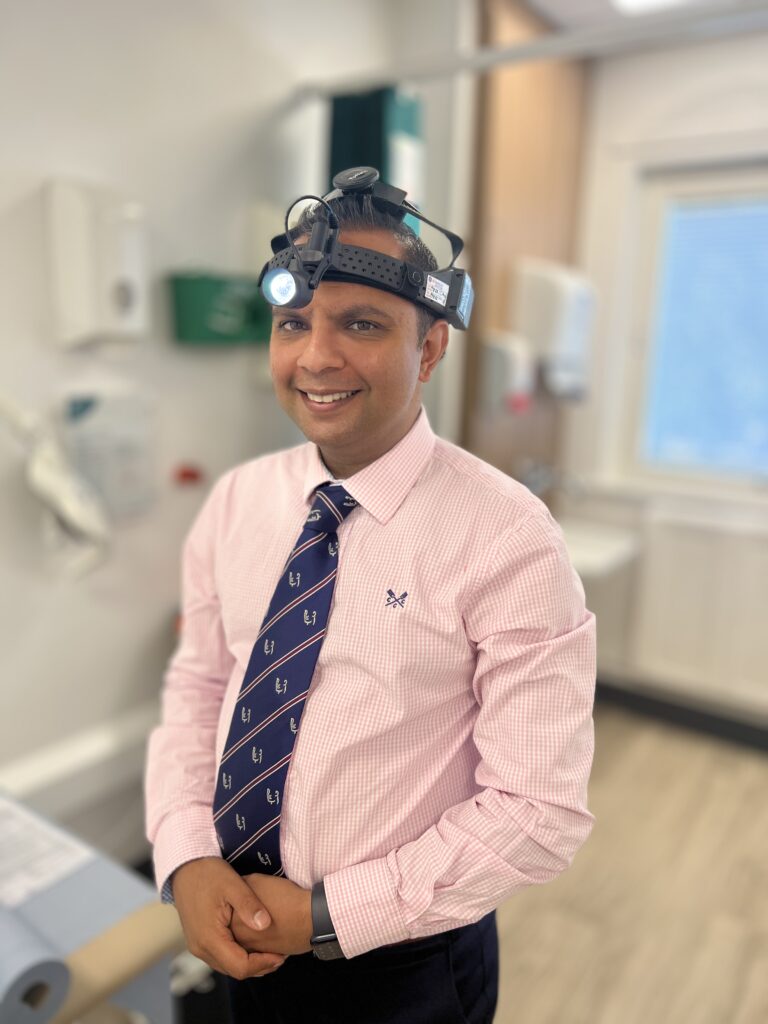
Dr Vikas Acharya, an experienced otolaryngologist practising in Bushey, uses flexible nasal endoscopy to diagnose a wide range of conditions affecting the nose, sinuses, and throat. This procedure forms an essential part of comprehensive ENT assessment, helping patients understand their symptoms and receive appropriate treatment recommendations.
What is flexible nasal endoscopy?
Flexible nasal endoscopy involves the use of a thin, flexible tube called an endoscope that contains a tiny camera and light source. The endoscope is gently inserted through the nostril to examine the internal structures of the nose and upper respiratory tract. Unlike rigid endoscopes, the flexible design allows for comfortable examination while providing excellent image quality.
The procedure enables direct visualisation of the nasal septum, turbinates, sinus openings, nasopharynx, and vocal cords. This comprehensive view helps identify structural abnormalities, inflammation, polyps, tumours, or other conditions that may be causing symptoms such as nasal congestion, facial pain, or breathing difficulties.
How is the procedure performed?
Before the examination begins, a topical anaesthetic and decongestant spray may be applied to the nasal passages to ensure patient comfort and improve visualisation. The flexible endoscope is then carefully inserted through one nostril while the patient remains seated comfortably.
During the examination, patients are asked to breathe normally and may be requested to swallow or speak to assess the function of various structures. The entire procedure typically takes between 5 to 15 minutes, depending on the complexity of the examination and the areas being assessed.
What to expect during flexible nasal endoscopy
Most patients find the procedure well-tolerated with minimal discomfort. You may experience:
- A slight sensation of pressure as the endoscope is inserted
- Temporary nasal congestion or mild discomfort
- Brief watering of the eyes
- A metallic taste from the anaesthetic spray
- The urge to swallow or clear your throat
What conditions can be diagnosed with flexible nasal endoscopy?
This versatile diagnostic tool enables the identification of numerous conditions affecting the nasal passages and surrounding structures. The detailed visualisation provided by flexible nasal endoscopy makes it an invaluable tool for accurate diagnosis.
Common conditions diagnosed
Flexible nasal endoscopy can help diagnose various conditions including:
- Chronic sinusitis and acute sinus infections
- Nasal polyps and other benign growths
- Deviated nasal septum
- Enlarged turbinates (turbinate hypertrophy)
- Post-surgical complications or healing assessment
- Allergic rhinitis and its complications
- Nasal tumours or suspicious lesions
- Foreign bodies in the nasal cavity
- Vocal cord disorders and laryngeal conditions
Symptoms that may warrant examination
Your ENT specialist may recommend flexible nasal endoscopy if you experience:
- Persistent nasal congestion or blockage
- Chronic facial pain or pressure
- Recurrent sinus infections
- Loss of smell or taste
- Nosebleeds without obvious cause
- Snoring or sleep-related breathing problems
- Voice changes or hoarseness
- Post-nasal drip or chronic cough
What are the benefits of flexible nasal endoscopy?
This diagnostic procedure offers numerous advantages over traditional examination methods, making it the gold standard for nasal and sinus assessment in modern ENT practice.
Diagnostic advantages
- Provides detailed, real-time visualisation of internal structures
- Enables accurate diagnosis without invasive procedures
- Allows assessment of areas not visible during routine examination
- Can identify early-stage conditions before symptoms become severe
- Helps monitor treatment progress and healing
- Reduces the need for more invasive diagnostic procedures
Patient benefits
- Quick procedure with immediate results
- Minimal discomfort and no recovery time required
- Can be performed in the clinic setting
- No sedation or general anaesthesia needed
- Allows patients to see their condition on the monitor
- Facilitates informed discussion about treatment options

How should I prepare for flexible nasal endoscopy?
Preparation for flexible nasal endoscopy is straightforward and requires minimal advance planning. Most patients can continue their normal activities before and after the procedure.
Before your appointment
- Continue taking regular medications unless advised otherwise
- Inform your specialist about any allergies or medical conditions
- Avoid using nasal decongestant sprays for 24 hours before the procedure
- Consider bringing a list of current symptoms and their duration
- Arrange transportation if you feel anxious about the procedure
After the procedure
Following flexible nasal endoscopy, most patients can immediately return to normal activities. You may experience mild nasal congestion or a slight metallic taste for a few hours, but these effects typically resolve quickly
Are there any risks or complications?
Flexible nasal endoscopy is considered a very safe procedure with minimal risks when performed by an experienced ENT specialist. Serious complications are extremely rare, and most patients tolerate the examination well.
Potential minor side effects
- Temporary nasal discomfort or congestion
- Brief nosebleed (usually very minor)
- Watering eyes during the procedure
- Temporary altered taste sensation
- Mild throat irritation
These effects are typically short-lived and resolve within a few hours. Serious complications such as significant bleeding or infection are exceptionally rare when the procedure is performed by a qualified specialist.
When will I receive my results?
One of the significant advantages of flexible nasal endoscopy is that results are available immediately. During the procedure, your ENT specialist can explain what they observe and discuss any findings with you in real-time.
Following the examination, you will receive a comprehensive explanation of the findings and recommendations for any necessary treatment. If tissue samples are taken during the procedure, laboratory results may take several days to become available.
What happens after diagnosis?
Based on the findings from your flexible nasal endoscopy, your ENT specialist will discuss appropriate treatment options tailored to your specific condition. Treatment recommendations may range from conservative management to surgical intervention, depending on the diagnosis and severity of your condition.
For many conditions, medical management with medications, nasal sprays, or lifestyle modifications may be sufficient. In cases where surgical treatment is recommended, the detailed visualisation provided by the endoscopy helps plan the most appropriate surgical approach.
Regular follow-up appointments may be recommended to monitor your progress and assess the effectiveness of treatment. Repeat flexible nasal endoscopy may be performed to evaluate healing or monitor chronic conditions over time.
If you are experiencing persistent nasal symptoms or have concerns about your nasal or sinus health, flexible nasal endoscopy can provide valuable diagnostic information to guide your treatment. To find out whether flexible nasal endoscopy may be suitable for you, book a consultation with Dr Vikas Acharya in Bushey.