Smell and taste loss can significantly impact your quality of life, affecting everything from your enjoyment of food to your ability to detect potential dangers like gas leaks or spoiled food. These sensory changes can occur suddenly or gradually, and understanding the underlying causes is essential for effective treatment and recovery.
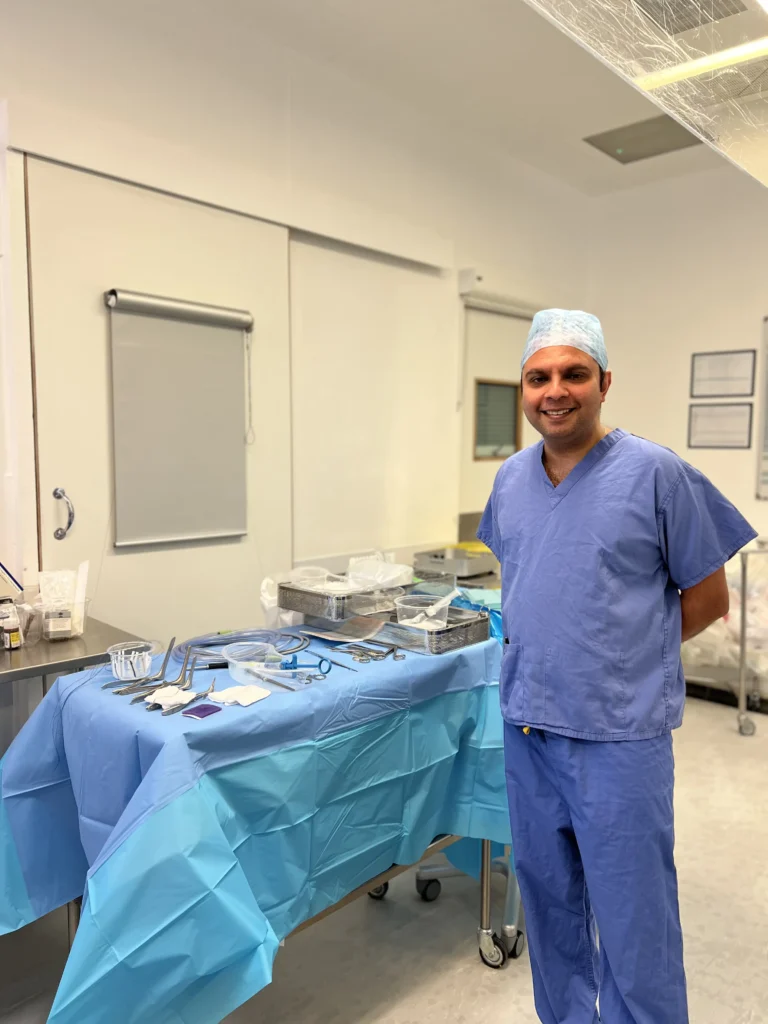
Mr Vikas Acharya is an experienced ENT Surgeon (Otolaryngologist) practising in Bushey, who specialises in diagnosing and treating conditions affecting smell and taste. His expertise in ear, nose, and throat disorders enables him to provide comprehensive care for patients experiencing these challenging symptoms.
What Causes Smell and Taste Loss?
Understanding the various causes of smell and taste loss helps patients and healthcare professionals develop appropriate treatment strategies. These sensory impairments can result from numerous factors, ranging from temporary conditions to more complex underlying health issues.
Common Viral Infections
Viral infections represent one of the most frequent causes of smell and taste loss. The common cold, influenza, and COVID-19 can all affect your olfactory system, sometimes leading to temporary or prolonged sensory changes.
COVID-19 has brought particular attention to these symptoms, with many patients experiencing anosmia (complete loss of smell) or hyposmia (reduced sense of smell) as early indicators of infection. According to NHS guidance, loss of smell or taste can be a key symptom of coronavirus infection.
Nasal and Sinus Conditions
Several nasal and sinus conditions can interfere with your ability to smell and taste properly:
Chronic sinusitis and nasal polyps
Allergic rhinitis (hay fever)
Deviated nasal septum
Upper respiratory tract infections
Nasal congestion from various causes
These conditions often block the nasal passages or affect the olfactory receptors, preventing odour molecules from reaching the smell-detecting cells in your nose.
Neurological Factors
Neurological conditions can affect the pathways between your nose and brain, leading to smell and taste loss. These may include head injuries, neurodegenerative diseases, or damage to the olfactory nerves.
How Are Smell and Taste Connected?
Many people don’t realise how closely smell and taste work together. Your sense of taste actually relies heavily on your sense of smell, which is why food often tastes bland when you have a blocked nose.
Your taste buds can only detect five basic tastes: sweet, sour, salty, bitter, and umami. The complex flavours you experience when eating come from your sense of smell working alongside these basic taste sensations. When smell is impaired, your overall perception of flavour becomes significantly reduced.
What Are the Different Types of Smell and Taste Disorders?
Healthcare professionals classify smell and taste disorders into several categories, each requiring different approaches to diagnosis and treatment.
Smell Disorders
Anosmia refers to the complete loss of smell, while hyposmia describes a reduced ability to detect odours. Some patients experience parosmia, where familiar smells are perceived differently or unpleasantly. Phantosmia involves smelling odours that aren’t actually present.
Taste Disorders
Ageusia represents complete taste loss, whereas hypogeusia indicates diminished taste perception. Dysgeusia involves distorted taste sensations, where foods may taste metallic, bitter, or generally unpleasant.
How Is Smell and Taste Loss Diagnosed?
Proper diagnosis of smell and taste loss requires a comprehensive evaluation by a qualified specialist. Mr Vikas Acharya employs various diagnostic techniques to identify the underlying cause of your symptoms and develop an appropriate treatment plan.
Medical History and Physical Examination
The diagnostic process begins with a detailed medical history, including when symptoms started, any associated factors, and current medications. A thorough physical examination of your nose, throat, and head and neck region helps identify potential structural causes.
Specialised Testing
Several tests can help evaluate the extent of smell and taste loss:
Smell identification tests using standardised scent samples
Taste testing with different flavour solutions
Nasal endoscopy to examine internal nasal structures
CT or MRI scans when structural abnormalities are suspected
What Treatment Options Are Available?
Treatment for smell and taste loss depends on the underlying cause identified during your evaluation. Mr Vikas Acharya tailors treatment approaches to each patient’s specific condition and circumstances.
Medical Treatments
When infections or inflammatory conditions cause smell and taste loss, appropriate medical treatment may help restore function:
Antibiotics for bacterial sinus infections
Corticosteroids to reduce inflammation
Antihistamines for allergic conditions
Decongestants for nasal congestion
Surgical Interventions
Some structural problems may require surgical correction to restore normal smell and taste function. These procedures might include nasal polyp removal, septoplasty for deviated septum, or sinus surgery to improve drainage and ventilation.
Smell Training
Smell training involves regularly exposing yourself to specific scents to help retrain your olfactory system. This technique has shown promise in helping patients recover from smell loss, particularly following viral infections.
Can Smell and Taste Loss Recover Naturally?
Recovery from smell and taste loss varies significantly depending on the underlying cause. Many patients with viral-induced symptoms experience gradual improvement over weeks to months, though some may have persistent changes.
Factors that influence recovery include the severity of initial loss, the underlying cause, patient age, and overall health status. Early intervention and appropriate treatment can often improve outcomes and speed recovery.
When Should You Seek Medical Attention?
While temporary smell and taste changes during a cold are common, certain situations warrant professional evaluation:
Sudden onset of complete smell or taste loss
Symptoms persisting beyond two weeks
Distorted smells or tastes that interfere with daily life
Associated symptoms like severe headaches or vision changes
Concerns about safety due to inability to detect smoke or gas
If you experience sudden, severe smell and taste loss alongside other concerning symptoms, seek urgent medical care to rule out serious underlying conditions.
How Can You Protect Your Sense of Smell and Taste?
Several strategies can help maintain healthy smell and taste function and potentially prevent future problems:
Practice good nasal hygiene with regular saline rinses
Manage allergies effectively with appropriate treatment
Avoid exposure to harmful chemicals and pollutants
Don’t smoke, as smoking damages olfactory receptors
Seek prompt treatment for sinus infections
Maintain good oral hygiene for optimal taste function
Living with Smell and Taste Loss
Coping with ongoing smell and taste loss requires practical adjustments to maintain safety and quality of life. Installing smoke and gas detectors becomes crucial when you cannot rely on your sense of smell for danger detection.
Nutritional considerations are important, as reduced taste may affect appetite and food choices. Working with healthcare professionals can help ensure you maintain a balanced diet despite sensory changes.
Support from family, friends, and healthcare providers plays a vital role in adapting to these changes. Many patients find that focusing on food textures, temperatures, and visual presentation helps maintain enjoyment of meals.
Conclusion
Smell and taste loss can significantly impact daily life, but understanding the causes and available treatments offers hope for improvement. Whether your symptoms result from a recent viral infection, chronic sinus condition, or other underlying cause, proper evaluation and treatment can often lead to meaningful recovery.
Early intervention frequently improves outcomes, making professional assessment important when symptoms persist or cause concern. With appropriate care and patience, many patients experience substantial improvement in their smell and taste function.
To find out whether treatment for smell and taste loss may be suitable for you, book a consultation with Mr Vikas Acharya in Bushey. His expertise in otolaryngology enables comprehensive evaluation and personalised treatment planning for your specific condition.