

Stress does not always announce itself with loud signals. Sometimes it whispers through the body in ways that feel unrelated at first glance. A sudden nosebleed during a tense day can feel random, even alarming, yet the body often uses the most delicate tissues to express overload. The inner lining of the nose is filled with tiny blood vessels that respond quickly to changes in circulation. When emotional pressure builds, these vessels may become more fragile and reactive.
Many people notice nosebleeds after periods of prolonged stress, poor rest, or mental exhaustion. While the bleeding itself is often mild, it can signal an underlying imbalance that deserves attention. Emotional strain may affect blood circulation, increase internal pressure, and disrupt the stability of nasal tissues. In this way, the nose can become an unexpected outlet for stress that has no other release. Paying attention to this early warning can help prevent the cycle from recurring or escalating. For guidance on addressing such issues and maintaining overall health, consulting experts like Mr Vikas Acharya can provide valuable support.
How Stress Alters Blood Flow in Delicate Nasal Vessels
The human stress response is designed for short bursts of action, not constant strain. When stress lingers, the nervous system remains in a heightened state, affecting circulation throughout the body. Blood vessels may tighten and relax unpredictably, especially in areas where the skin and lining are thin. The nasal passages are particularly sensitive to these changes.
Over time, repeated surges in blood pressure caused by emotional tension can weaken vessel walls inside the nose. This makes them more likely to rupture with minor triggers such as dry air or gentle rubbing. People often notice bleeding without any clear injury. Rather than being a coincidence, it can be the body showing how deeply stress is influencing physical systems that usually operate quietly in the background.
The Hidden Role of Anxiety in Recurrent Nosebleeds
Anxiety has a way of settling into the body and staying there. It affects breathing patterns, muscle tension, and even hydration habits. Shallow breathing and mouth breathing during anxious moments can dry the nasal lining, leaving it vulnerable. When dryness combines with fragile blood vessels, bleeding becomes more likely.
Those living with ongoing anxiety often report repeated nosebleeds that seem to arrive during moments of emotional overwhelm. These episodes can feel embarrassing or frightening, which then fuels further anxiety. This cycle keeps the body in a loop of tension and physical response. Recognizing anxiety as a contributor can be a turning point, helping individuals focus on calming the nervous system rather than only treating the symptom.

Stress Hormones and Their Impact on Nasal Health
Stress hormones are powerful messengers. When released frequently, they influence inflammation, healing, and tissue resilience. In the nose, this can mean slower repair of tiny vessel injuries and increased sensitivity of the lining. Small irritations that would normally heal unnoticed may instead lead to bleeding.
People under constant pressure may also experience reduced immune response, making the nasal lining more prone to irritation from environmental factors. This combination of weakened repair and heightened sensitivity creates the perfect setting for stress related nosebleeds. Addressing stress at its source helps restore balance, allowing the nasal tissues to recover and strengthen over time.
Why Chronic Tension Can Trigger Sudden Bleeding
Chronic tension does not always feel intense. It can exist as a low hum of pressure in daily life. Tight shoulders, clenched jaws, and restless sleep all point to a body that never fully relaxes. This tension affects circulation and oxygen delivery, including to the nasal tissues.
When the body remains tense, blood vessels may respond abruptly to minor changes. A small increase in pressure or a sudden emotional reaction can be enough to cause bleeding. These moments often catch people off guard, yet they are the result of long standing strain rather than a single event. Understanding this connection encourages a more compassionate view of the body rather than fear.
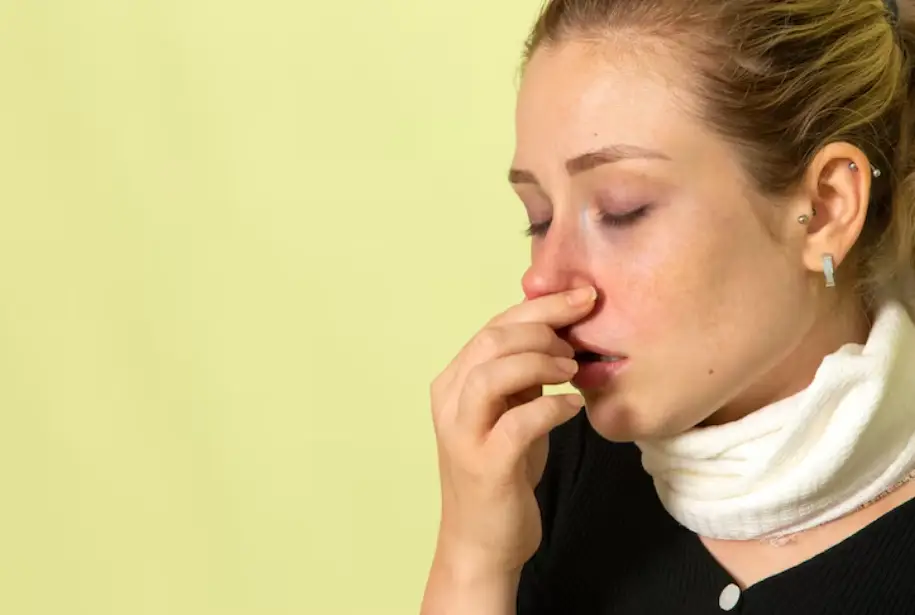
Emotional Burnout and Its Physical Signals
Burnout is more than fatigue. It is a state where emotional reserves are depleted, and the body begins to show signs of distress. Nosebleeds can appear alongside headaches, sleep disruption, and irritability. They are part of a broader message that the system is overwhelmed.
In many cases, individuals recall periods of relentless responsibility before nosebleeds began. The body uses physical symptoms to slow things down when mental boundaries are ignored. Acknowledging burnout allows space for recovery and reduces the likelihood of further physical manifestations.
How Daily Habits Under Stress Increase Risk
Stress often changes daily habits in subtle ways. People may forget to hydrate, spend long hours in dry indoor environments, or rely on stimulants to stay alert. These habits dry the nasal lining and make blood vessels more exposed. Combined with stress induced circulation changes, the risk of bleeding rises.
Patients frequently share that nosebleeds improve once they regain routine and balance. Simple acts like rest, hydration, and mindful breathing can support nasal health. These changes may seem small, yet they directly counteract the physical effects of stress on the nose.
Stories From Patients Who Noticed the Pattern
Many individuals have shared how nosebleeds appeared during emotionally intense chapters of life. One patient described frequent bleeding during a demanding work transition that disappeared once balance returned. Another noticed episodes during periods of family worry that eased with stress management.
These experiences highlight a shared theme. When emotional load decreases, the body often follows. Hearing these stories reassures others that they are not alone and that improvement is possible without fear or self blame.
Common Questions About Stress and Nosebleeds
People often ask whether stress alone can cause nosebleeds. While stress may not be the only factor, it plays a significant role in weakening nasal vessels and triggering episodes. Another common concern is whether these nosebleeds indicate something serious. In many cases, they are benign signals of overload, though persistent bleeding should always be assessed.
Questions also arise about prevention. Managing stress, supporting nasal moisture, and seeking professional guidance when episodes repeat can make a meaningful difference. Clear answers help replace worry with understanding and informed action.
Listening to Your Body Before Symptoms Escalate
The body communicates long before serious problems develop. Stress induced nosebleeds are one of those early signals. They invite reflection on emotional health, daily habits, and overall balance. Ignoring them may allow stress to express itself in more disruptive ways later on.
By paying attention to these subtle signs, individuals can make changes that support both mental and physical wellbeing. The nose, though small, can offer valuable insight into the state of the whole system when given the chance to be heard.
Conclusion
Stress related nosebleeds are not just random events. They are often gentle warnings from the body asking for care, rest, and balance. When emotional pressure builds quietly, the most delicate tissues may speak first. Understanding this connection helps reduce fear and encourages healthier responses to stress.
For those seeking clarity and reassurance, expert support is available. Appointments with the Consultant Rhinologist and ENT Surgeon are offered at Spire Bushey Hospital and at 150 Harley Street on +44 20 7183 0921. You can also contact the clinic by email at clinic@nosedoctor.co.uk. Professional guidance can help uncover the cause, restore confidence, and support long-term nasal health with a calm and informed approach.