
When nasal polyps develop, they rarely cause obvious symptoms at first. Inside the nose, they appear as soft, pale swellings that blend into the surrounding nasal lining. Many patients expect something red and inflamed, but nasal polyps are usually smooth, grey, and sometimes slightly translucent. They often form along the lining of the nose or sinuses and may look like peeled grapes or small drops of jelly sitting in areas where air should normally flow freely. Because polyps have no nerve endings, they can grow gradually without causing pain, making them easy to miss until breathing becomes affected, and for expert assessment and treatment options, patients may benefit from specialist ENT care with Mr Vikas Acharya, particularly if symptoms persist or worsen over time.
As they grow, they begin to reshape the internal landscape of the nose. Airflow becomes less direct, scents lose their clarity, and breathing through the nose feels dull or blocked rather than sharply painful. Doctors often notice how these growths move slightly when air passes over them, confirming their soft nature. Their colour and texture are key visual clues, helping specialists separate them from other nasal masses that appear firmer or more inflamed. This visual language inside the nose tells a story long before symptoms fully surface.
How nasal polyps differ in appearance from normal nasal tissue
Healthy nasal tissue has a pink tone and a fine moist sheen. It hugs the contours of the nasal passages and responds quickly to changes like cold air or allergens. Nasal polyps stand out because they lack this vitality. Their surface looks smooth and almost waxy, as if detached from the body’s usual rhythm. This contrast is one of the first things clinicians notice during examination.
Unlike normal tissue, polyps do not shrink with decongestant sprays during an assessment. Healthy lining often responds by opening space and improving airflow. Polyps remain unchanged, quietly occupying room that should belong to moving air. This behaviour helps doctors distinguish them from swollen turbinates or temporary inflammation. Over time, these differences become more pronounced as polyps enlarge and alter the internal balance of the nasal cavity. Recognising this contrast allows for accurate identification without relying solely on symptoms, which can be misleading or delayed.
Why nasal polyps often go unnoticed by patients for a long time
One of the most deceptive qualities of nasal polyps is their silence. They grow slowly and painlessly, allowing the body to adapt. Many people assume their breathing changes are due to allergies or lingering colds. The absence of sharp discomfort means there is little urgency to look deeper. Over months or years, reduced smell or a constant sense of congestion becomes the new normal.
Because polyps form in response to chronic inflammation, symptoms often overlap with existing sinus conditions. This overlap masks their presence. A person might treat themselves repeatedly with sprays or tablets, never realising that a physical obstruction has formed. By the time medical advice is sought, polyps may already occupy significant space. This gradual progression explains why doctors often find advanced growths during first examinations, even when patients report only mild or vague concerns.

How doctors visually identify nasal polyps during an examination
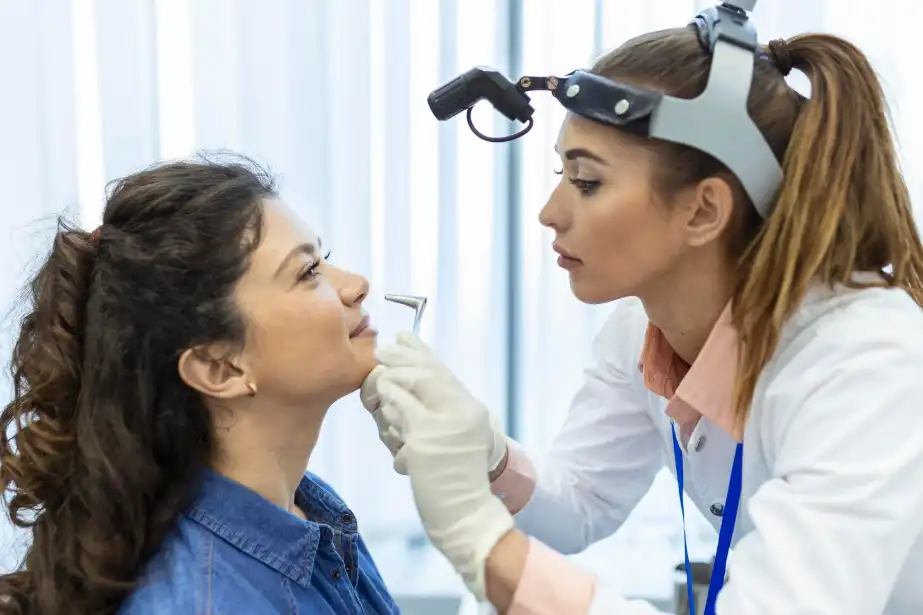
Doctors rely on careful visual inspection to identify nasal polyps. Using a thin camera designed for nasal examination, they gently explore the passages. This tool provides a clear magnified view of areas not visible with simple light. On the screen, polyps appear as smooth rounded masses emerging from sinus openings or along the nasal walls.
The visual assessment focuses on shape, colour, and movement. Polyps sway slightly and lack the vascular redness seen in inflamed tissue. Their boundaries are usually clear, helping doctors map their size and location. This process is calm and informative, offering immediate answers. Visual identification often sets the direction for further investigation or treatment planning, ensuring that decisions are grounded in what is actually happening inside the nose rather than assumptions based on symptoms alone.
The role of nasal endoscopy in confirming the presence of polyps
Nasal endoscopy plays a central role in confirmation. It allows specialists to see beyond the front of the nose and into the deeper sinus areas where polyps commonly arise. This detailed view reveals whether growths are isolated or widespread, and whether they obstruct natural drainage pathways.
During this examination, doctors also assess surrounding structures. They look for signs of infection, thick mucus, or structural changes that might influence treatment. The clarity provided by endoscopy reduces uncertainty. Instead of guessing, clinicians can point to visible findings and explain them clearly. For patients, this transparency often brings relief, transforming vague discomfort into a tangible and understandable diagnosis.

How imaging supports visual diagnosis when polyps are suspected
When visual examination suggests deeper involvement, imaging becomes valuable. Scans provide a layered view of the sinuses, showing how far polyps extend beyond the nasal cavity. These images reveal blocked sinus spaces and help determine the impact on surrounding anatomy.
Imaging does not replace direct visual assessment but enhances it. It confirms what the eye sees and uncovers what lies beyond reach. Doctors use this information to understand severity and plan long term care. For patients, imaging often explains why symptoms persist despite treatment. Seeing the full picture fosters trust and encourages informed decisions about next steps.
How doctors distinguish nasal polyps from other nasal growths
Not every growth inside the nose is a polyp. Doctors must carefully differentiate between various possibilities. Polyps are typically soft and pale, while other masses may appear firm, irregular, or prone to bleeding. This distinction is critical for safety and peace of mind.
Through observation and gentle probing, clinicians assess texture and response. Polyps move easily and lack sensitivity. Other growths may resist movement or show signs of irritation. In uncertain cases, further tests are arranged to rule out rare conditions. This thoughtful approach ensures accuracy while minimising unnecessary worry. Understanding these differences reinforces why specialist assessment matters.
Common patient experiences when polyps are finally visualised
Seeing nasal polyps for the first time can be surprising. Many patients expect something dramatic yet are struck by how subtle they look. The visual confirmation often validates long standing symptoms that felt invisible or dismissed.
Doctors usually explain findings in real time, guiding patients through the images. This shared experience builds clarity. Patients often express relief in understanding why breathing felt different or why smell faded. Visualisation transforms abstract discomfort into a concrete explanation, strengthening confidence in the proposed care pathway.
How early identification changes outcomes for nasal polyp management
Early identification shapes outcomes significantly. When polyps are recognised promptly, management can focus on controlling inflammation and preserving airflow. Smaller growths respond better to medical strategies and are easier to monitor.
Delays allow polyps to expand and complicate surrounding structures. Early visual assessment empowers doctors to intervene thoughtfully rather than reactively. Patients benefit from clearer options and reduced disruption to daily life. Awareness of appearance and identification methods encourages timely consultation and better long term comfort.
Patient stories reflecting the moment of diagnosis
Many patients recall the diagnosis moment vividly. One described years of breathing through the mouth before learning why the nose felt permanently closed. Seeing the images provided an unexpected sense of control. Another shared relief in finally understanding the cause of recurring sinus pressure.
These experiences highlight the emotional impact of visual diagnosis. Beyond medical clarity, it offers reassurance and direction. When patients understand what is inside their nose, uncertainty fades. The journey shifts from confusion to informed action, guided by clear observation and expert explanation.
Conclusion
Understanding what nasal polyps look like inside the nose and how they are identified can transform uncertainty into clarity. Visual examination, supported by careful assessment and imaging, allows doctors to distinguish these soft pale growths from other conditions. For patients, seeing the cause of their symptoms often brings relief and confidence in the path ahead. Early recognition supports better comfort and informed decisions.
If you are seeking specialist insight, Vikas Acharya, a Consultant Rhinologist and ENT Surgeon offers expert assessment and personalised care. Appointments are available at Spire Bushey Hospital, as well as at 150 Harley Street on +44 20 7183 0921. You can also contact the team via email at clinic@nosedoctor.co.uk. Professional guidance can make all the difference in restoring ease of breathing and peace of mind.