
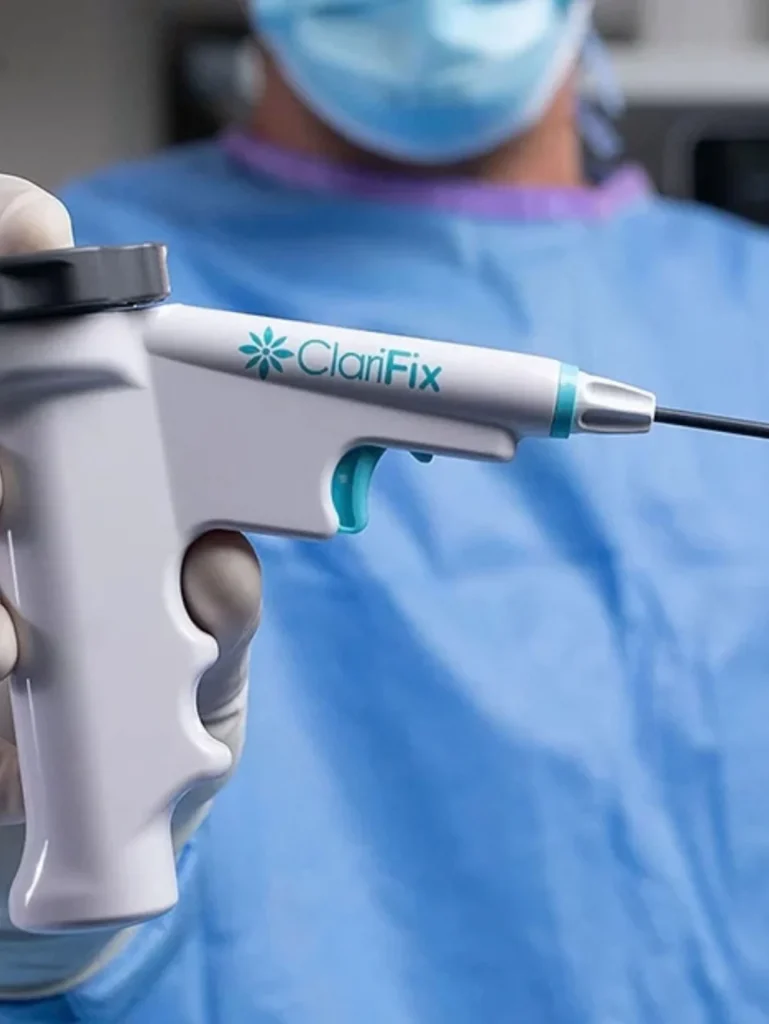
Functional endoscopic sinus surgery (FESS) is a minimally invasive surgical procedure designed to treat chronic sinus conditions and restore normal sinus drainage. This advanced technique uses an endoscope to remove blockages and improve airflow through the nasal passages, offering significant relief for patients suffering from persistent sinus problems.
Dr Vikas Acharya, an experienced otolaryngologist practising in Bushey, specialises in functional endoscopic sinus surgery and provides comprehensive care for patients with complex sinus conditions. His expertise in this precise surgical technique helps patients achieve long-term relief from chronic sinusitis and related symptoms.
What is Functional Endoscopic Sinus Surgery?
Functional endoscopic sinus surgery represents a significant advancement in treating chronic sinus conditions. The procedure involves using a thin, flexible endoscope equipped with a camera to visualise the inside of the nasal passages and sinuses. This allows surgeons to identify and remove diseased tissue, polyps, or other obstructions that prevent proper sinus drainage.
Unlike traditional sinus surgery, FESS preserves healthy tissue whilst targeting only the problematic areas. The endoscopic approach provides excellent visualisation of the surgical site, enabling precise removal of blockages whilst maintaining the natural function of the sinuses.
Who Might Need FESS Surgery?
Functional endoscopic sinus surgery may be recommended for patients who have not responded adequately to conservative treatments for chronic sinusitis. The procedure is typically considered when symptoms persist despite medical management with antibiotics, nasal sprays, and other medications.
Common Conditions Treated
FESS can effectively address several sinus-related conditions:
- Chronic sinusitis lasting more than 12 weeks
- Recurrent acute sinusitis episodes
- Nasal polyps causing obstruction
- Fungal sinusitis
- Structural abnormalities affecting sinus drainage
- Complications from previous sinus infections
Symptoms That May Indicate Need for Surgery
Patients who might benefit from functional endoscopic sinus surgery often experience:
- Persistent nasal congestion and blockage
- Thick nasal discharge or post-nasal drip
- Facial pain and pressure
- Reduced sense of smell or taste
- Frequent headaches
- Sleep disturbances due to breathing difficulties
How Does FESS Surgery Work?
The functional endoscopic sinus surgery procedure is performed under general anaesthesia and typically takes between one to three hours, depending on the complexity of the case. The surgeon uses specialised endoscopic instruments to access the sinuses through the natural nasal openings.
Surgical Technique
During FESS, the surgeon carefully removes diseased tissue, polyps, or bone that may be blocking the sinus openings. The endoscope provides magnified, high-definition images of the surgical area, allowing for precise work in the confined spaces of the nasal cavity.
The procedure focuses on restoring the natural drainage pathways of the sinuses whilst preserving healthy mucosa and maintaining normal sinus function. This approach promotes better long-term outcomes and reduces the risk of complications.
What to Expect During Recovery?
Recovery from functional endoscopic sinus surgery varies among patients, but most people can return to normal activities within one to two weeks. The initial recovery period involves managing some discomfort and following specific post-operative care instructions.

Post-Operative Care
Proper aftercare is essential for optimal healing following FESS:
- Regular nasal irrigation with saline solution
- Taking prescribed medications as directed
- Avoiding strenuous activities for the first week
- Attending follow-up appointments for monitoring
- Keeping the head elevated whilst sleeping
Expected Timeline
Most patients experience gradual improvement in their symptoms over several weeks following surgery. Complete healing typically occurs within four to six weeks, though some patients may notice continued improvement for several months as inflammation subsides and normal sinus function is restored.
Benefits and Risks of FESS
Functional endoscopic sinus surgery offers numerous advantages over traditional sinus surgery techniques. The minimally invasive approach results in less tissue damage, reduced scarring, and faster recovery times for most patients.
Potential Benefits
- Significant improvement in chronic sinus symptoms
- Better quality of life and sleep
- Reduced need for ongoing medical treatment
- Improved sense of smell and taste
- Lower risk of future sinus infections
Possible Risks
As with any surgical procedure, FESS carries some risks, though serious complications are rare. Your surgeon will discuss these thoroughly during your consultation to ensure you can make an informed decision about your treatment.
Is FESS Right for You?
Determining whether functional endoscopic sinus surgery is appropriate requires a comprehensive evaluation by an experienced otolaryngologist. This assessment includes reviewing your medical history, conducting a physical examination, and often performing imaging studies to understand the extent of your sinus condition.
The decision to proceed with FESS should be made collaboratively between you and your surgeon, taking into account your symptoms, previous treatments, and personal circumstances. Many patients find that surgery provides the long-term relief they have been seeking from chronic sinus problems.
To find out whether functional endoscopic sinus surgery may be suitable for you, book a consultation with Dr Vikas Acharya to discuss your symptoms and explore your treatment options.