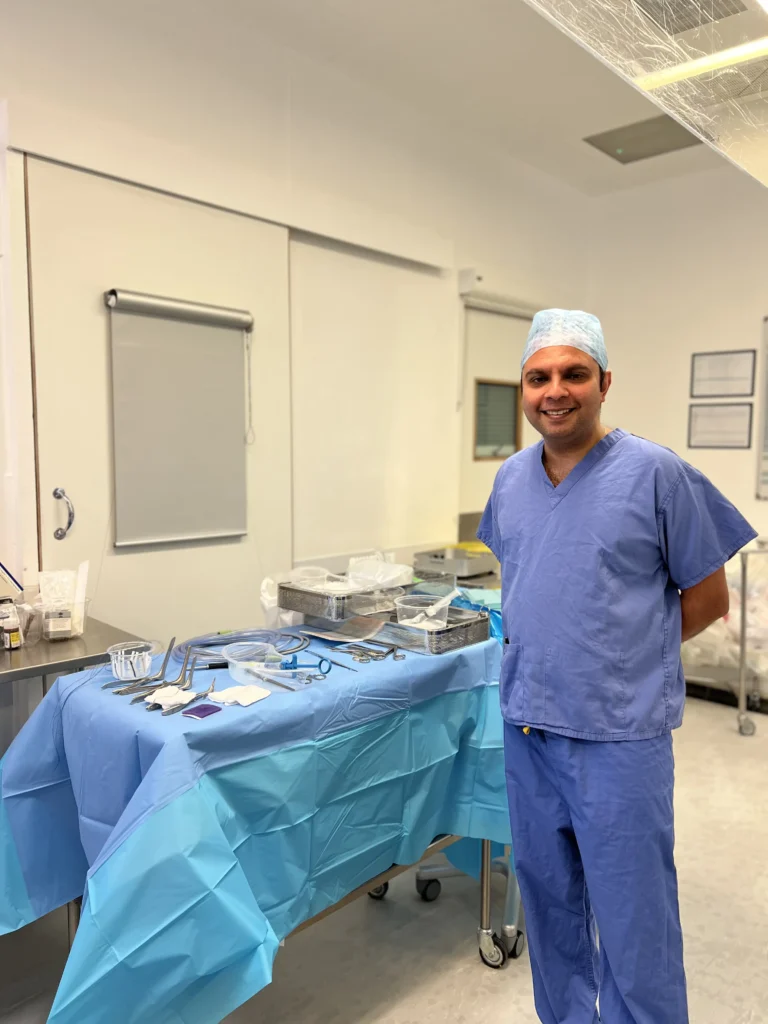

Tooth pain from sinus pressure can be both puzzling and uncomfortable, often leaving patients unsure whether the cause is dental or sinus-related. Mr Vikas Acharya, a Consultant Rhinologist and ENT Surgeon in Hertfordshire, notes that upper molars are particularly susceptible due to their proximity to the maxillary sinuses. Inflammation or congestion within the sinus cavities can transmit pressure to the roots of these teeth, mimicking a dental issue. Patients frequently report a dull, throbbing ache that intensifies when bending over or during sudden head movements. Understanding the connection between sinus cavities and dental nerves is key to effective management. By exploring both simple at-home measures and professional guidance, patients can find relief while ensuring that no underlying dental or ENT conditions are overlooked. Awareness and timely intervention are central to restoring comfort and reducing unnecessary stress.
Identifying Sinus-Related Tooth Pain
Sinus-related tooth pain often presents as a dull, pressure-like discomfort in the upper teeth, sometimes accompanied by facial fullness or mild headache. Unlike traditional dental pain, it tends to worsen with postural changes or during sinus pressure fluctuations. Mr Acharya emphasises that differentiating between dental and sinus origins is essential, as treatments vary significantly. A careful evaluation, including visual inspection of the nasal passages and palpation of sinus areas, helps identify sinus involvement. Patients may notice simultaneous pressure in the cheeks, forehead, or behind the eyes, which can provide additional clues. Recognising these patterns allows for targeted relief strategies that reduce reliance on unnecessary dental procedures. Early identification ensures that both symptoms and underlying causes are managed effectively, improving comfort while preventing complications.
At-Home Relief Strategies
Several home remedies can provide temporary relief from tooth pain caused by sinus pressure. Gentle steam inhalation helps loosen mucous, reducing pressure on sinus cavities and upper teeth. Saline nasal rinses can clear irritants and promote drainage. Mr Acharya highlights the use of warm compresses over the cheeks or forehead to alleviate discomfort, while maintaining adequate hydration helps thin mucus and ease pressure. Over-the-counter pain relief, such as paracetamol or ibuprofen, can reduce inflammation and ache, though dosing should follow medical guidance. Elevating the head during rest prevents pressure build-up in the sinuses, providing additional comfort. Although these strategies provide temporary relief, persistent or severe pain requires professional evaluation to effectively address underlying sinus or dental issues.
Lifestyle Adjustments for Prevention
Preventing sinus-related tooth pain involves several proactive lifestyle measures. Maintaining optimal hydration keeps mucous thin, reducing sinus pressure. Regularly cleaning nasal passages with saline sprays or irrigation systems prevents mucus accumulation. Environmental factors, such as allergens, dust, and dry air, can exacerbate sinus pressure; managing exposures helps minimise flare-ups. Mr Acharya recommends avoiding excessive consumption of irritants such as smoke or highly processed foods that may trigger inflammation. Gentle facial exercises, maintaining good posture, and practising breathing techniques can support sinus drainage and reduce pressure on upper teeth. By integrating these adjustments into daily routines, patients often experience fewer episodes of sinus-induced tooth pain, enhancing both comfort and overall sinus health.
Medical Interventions and Treatments
Persistent or severe tooth pain from sinus pressure may require medical interventions. Mr Acharya notes that medications such as nasal corticosteroid sprays, decongestants, or antihistamines can target underlying sinus inflammation effectively. In cases where sinus anatomy contributes to chronic pressure, imaging studies may identify obstructions or structural issues that require professional attention. ENT procedures, including minimally invasive sinus surgery, can restore proper drainage and alleviate recurrent tooth discomfort. Close collaboration with dental professionals ensures that tooth pain is not misattributed to dental pathology. Prompt evaluation and targeted treatment help reduce recurring discomfort, restore normal sinus function, and prevent further complications, providing long-term relief beyond temporary home remedies.
Managing Pain During Sinus Flare-Ups
During acute sinus flare-ups, tooth pain may intensify, requiring a combination of strategies. Gentle massage of the sinus and facial areas can relieve localised pressure. Applying cold packs may help reduce inflammation for some patients, while others find warmth more soothing. Mr Acharya emphasises balancing rest with gentle activity to maintain circulation and support sinus drainage. Over-the-counter analgesics or anti-inflammatory medications can provide relief, but should be used in moderation. Staying upright and avoiding sudden head movements prevents pressure spikes that exacerbate tooth discomfort. Tracking symptoms, including duration and triggers, assist in managing flare-ups effectively. Combining these measures ensures that acute episodes remain tolerable while addressing the underlying sinus cause.
When to Seek Professional Advice
Professional evaluation is crucial if tooth pain persists despite home measures, intensifies, or is accompanied by additional symptoms such as fever, swelling, or nasal discharge. Mr Acharya advises that both ENT and dental consultations may be necessary to distinguish sinus-related pain from genuine dental issues. Imaging studies, nasal endoscopy, and thorough dental assessments provide clarity. Early intervention prevents chronic discomfort and avoids unnecessary dental procedures. Patients should also seek advice if recurrent episodes interfere with sleep, daily activities, or overall wellbeing. Timely evaluation ensures accurate diagnosis, appropriate management, and tailored strategies to relieve sinus-induced tooth pain effectively.

Integrating Dental and ENT Care
Collaboration between dental and ENT professionals optimises care for sinus-related tooth pain. Dental assessments rule out cavities, abscesses, or gum issues, while ENT evaluations focus on sinus anatomy, drainage, and inflammation. Mr Acharya emphasises that integrated care prevents misdiagnosis and ensures comprehensive treatment. Patients benefit from combined insights, which allow personalised strategies to address both sinus pressure and dental comfort. Education on hygiene, preventive measures, and monitoring symptom patterns reinforces long-term management. This collaborative approach minimises recurrence, reduces unnecessary interventions, and enhances overall patient satisfaction by treating the full range of contributing factors.
Long-Term Strategies for Relief
Sustaining relief from sinus-induced tooth pain involves adopting long-term management strategies. Regular sinus care, environmental awareness, hydration, and lifestyle adjustments help maintain optimal sinus function. Periodic ENT evaluations, especially for patients prone to chronic sinusitis, ensure early detection and intervention. Mr Acharya highlights that understanding individual triggers, monitoring seasonal or environmental changes, and implementing preventive measures significantly reduce the likelihood of recurring tooth pain. Patients can enjoy consistent comfort and a better quality of life without frequent episodes of sinus-related tooth discomfort by combining self-care, professional guidance, and proactive lifestyle management.
Conclusion
Tooth pain from sinus pressure reflects a complicated interaction between sinus cavities, dental nerves, and environmental or systemic influences. With a combination of at-home remedies, lifestyle adjustments, and professional guidance, relief is achievable. Mr Vikas Acharya provides expert assessment to identify the underlying causes, coordinate ENT and dental care, and implement effective management strategies. Awareness of triggers, preventive measures, and timely intervention ensures lasting comfort and reduces recurrent discomfort. Patients can regain confidence, function, and overall well-being through comprehensive, personalised approaches to sinus-related tooth pain.
Schedule a consultation with Mr. Vikas Acharya to explore personalised strategies for relieving tooth pain caused by sinus pressure and restoring lasting comfort.
Frequently Ask Question
Can sinus pressure really cause tooth pain?
Yes, inflammation or fluid buildup in the maxillary sinuses can transmit pressure to upper teeth, mimicking dental pain.
Are over-the-counter remedies effective?
Saline rinses, steam inhalation, and mild analgesics often provide temporary relief, though persistent issues require professional evaluation.
How can I prevent sinus-induced tooth pain?
Hydration, nasal hygiene, allergen management, and lifestyle adjustments reduce sinus pressure and prevent discomfort.
When should I see an ENT or dentist?
Seek professional advice if pain persists, worsens, or is accompanied by swelling, fever, or nasal discharge.
Can long-term sinus care eliminate tooth pain?
Mr. Vikas Acharya states that proper preventive strategies and medical guidance can often significantly reduce recurrent sinus-related tooth pain.